
Dungeons & Dragons (D&D) is the pioneering tabletop role-playing game (TTRPG) that blends collaborative storytelling with strategic gameplay, where dice rolls shape unfolding adventures. The recent success of Dungeons & Dragons: Honor Among Thieves and Baldur's Gate 3 has sparked renewed interest in this classic RPG. Now in its streamlined fifth edition (D&D 5e) with updated rulebooks, the game offers unparalleled accessibility for newcomers.
What You Need to Play D&D
- The Players
- Rulebooks
- Dice Sets
- Character Sheets
- Game Boards & Miniatures
- Dungeon Master Advice
1. The Players
A typical D&D session requires 3-5 participants, including one Dungeon Master (DM) who guides the narrative. The DM crafts immersive worlds, manages encounters, and interprets rules while players assume heroic roles.
2. Essential Rulebooks
The core D&D library includes:
- Player's Handbook: Contains character creation rules and gameplay fundamentals
- Dungeon Master's Guide: Offers worldbuilding tools and campaign frameworks
- Monster Manual: Features hundreds of creatures and adversaries
3. Polyhedral Dice Sets

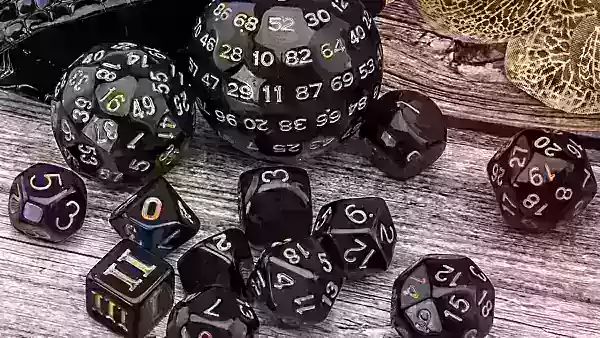
Every player needs standard seven-die sets (d4, d6, d8, d10, d%, d12, d20) though many collectors amass numerous specialty sets.
Getting Started Guide
Character Creation Basics
- Select ancestry/race
- Choose character class
- Determine ability scores
- Pick starting equipment
- Develop backstory
Key Gameplay Concepts
- Ability Checks: Dice rolls modified by character stats
- Combat Initiative: Turn order determination
- Armor Class: Defense rating against attacks
- Hit Points: Character health measurement
DM Best Practices
- Prepare flexible scenarios
- Encourage creative problem-solving
- Adapt rules for better storytelling
- Establish clear session expectations
- Utilize digital tools (DNDBeyond, Roll20)