Monopoly GO's Microtransactions: A $25,000 Cautionary Tale
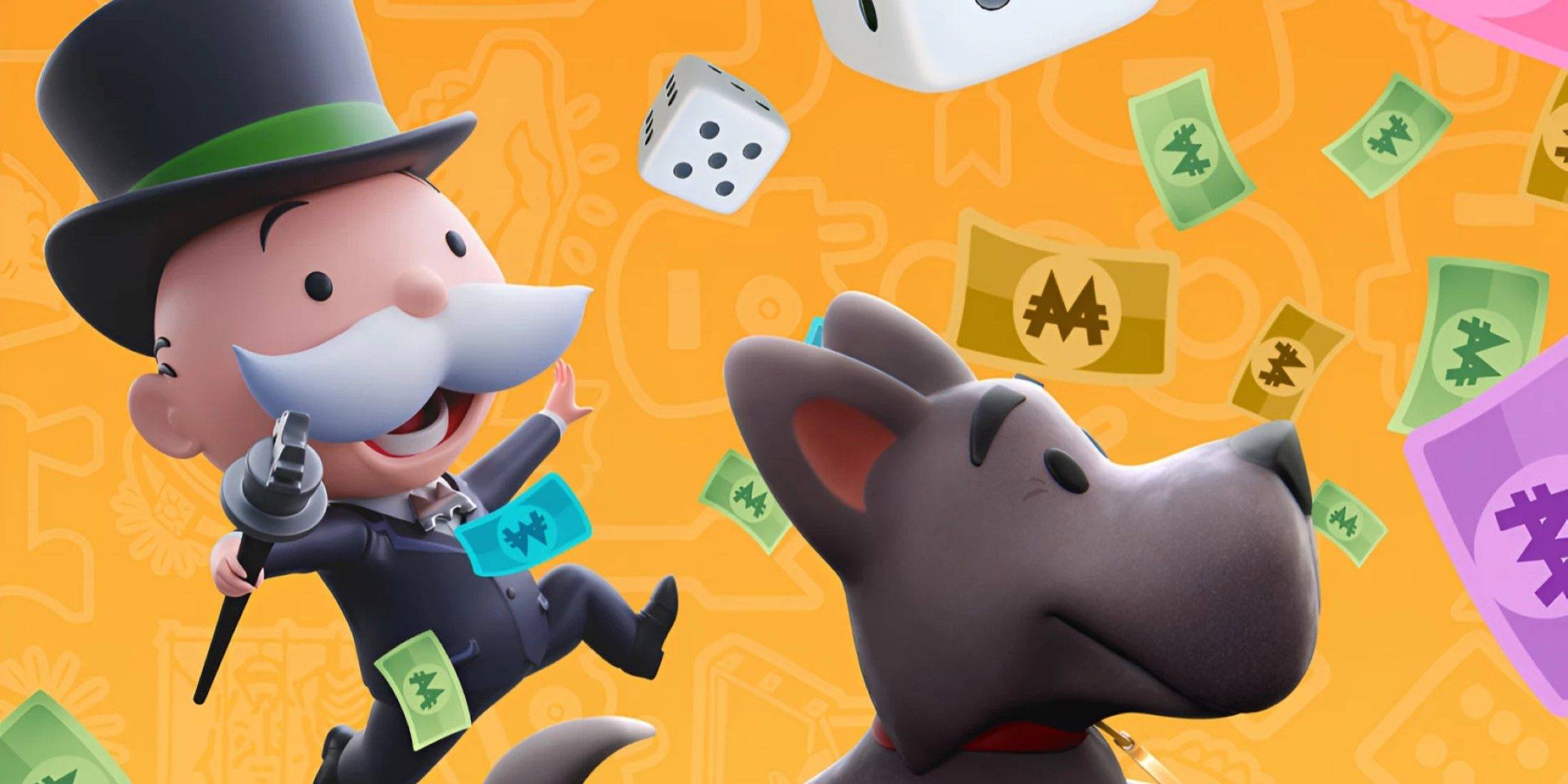
A recent incident highlights the financial risks associated with in-app purchases in mobile games. A 17-year-old reportedly spent a staggering $25,000 on Monopoly GO, a free-to-play game that relies heavily on microtransactions for revenue. This case underscores the potential for significant, unintended spending within these games.
The teenager's substantial expenditure isn't an isolated incident. Other users have reported spending thousands on Monopoly GO, demonstrating the game's addictive microtransaction model. One user confessed to spending $1,000 before deleting the app. However, the $25,000 spent by the 17-year-old dwarfs these previous reports, serving as a stark warning about the financial pitfalls.
A Reddit post (since deleted) detailed the situation, revealing 368 separate purchases made via the App Store. Unfortunately, the comments suggested the game's terms of service likely hold the user responsible for all purchases, even accidental ones. This isn't unique to Monopoly GO; the freemium model, heavily reliant on microtransactions, is a common practice in the gaming industry, as evidenced by the $208 million Pokemon TCG Pocket earned in its first month.
The Controversy Surrounding In-Game Microtransactions
The Monopoly GO incident adds to the ongoing debate surrounding in-game microtransactions. The practice has faced criticism before, with lawsuits against companies like Take-Two Interactive (regarding NBA 2K) highlighting the contentious nature of these models. While this specific Monopoly GO case may not reach the courts, it reinforces the widespread frustration and financial harm caused by these systems.
The industry's reliance on microtransactions is easily understood: they generate substantial profits (Diablo 4 saw over $150 million in microtransaction revenue). The strategy of encouraging small, incremental purchases is far more effective than asking for a single large payment. However, this very feature is also the source of much criticism. The design often feels manipulative, leading players to spend far more than initially intended.
The Reddit user's chances of a refund appear slim. This serves as a cautionary tale for all players, illustrating the ease with which significant sums can be spent in games employing similar microtransaction models.